Training After Midnight: Why Late-Night Workouts Actually Work
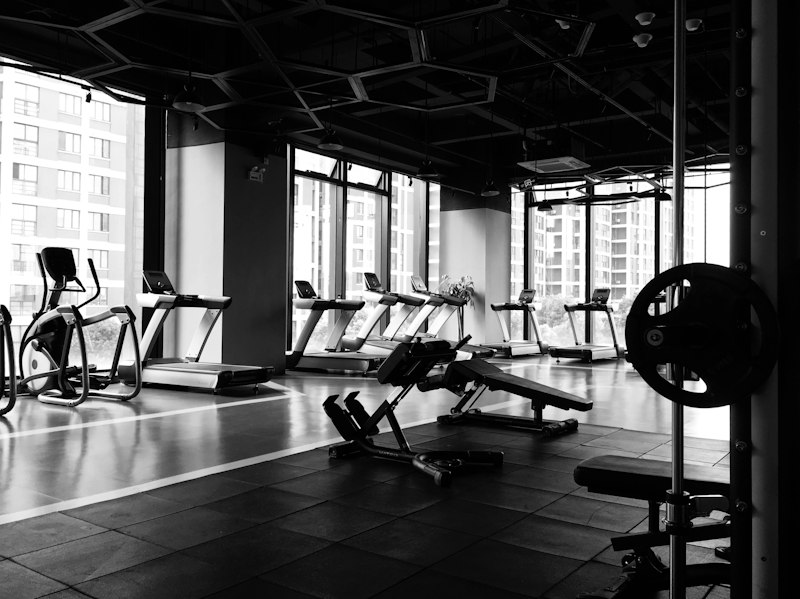
Between 5pm and 8pm every gym looks the same: a queue for the bench, every kettlebell taken, and someone sitting on a machine scrolling their phone. Then it hits 11pm and that same room is empty. If you work shifts, have small kids, or your evenings belong to something else, late-night training isn't extreme — it's the only window you actually have.
An empty gym changes the whole session
When you're not waiting, your rest periods are exactly what you planned, not what the crowd allows. Progressive overload depends on doing the same lifts in the same order and just adding weight. In a packed gym you can't protect that. At 2am you can.
There's a mental side too. Feeling watched keeps more people out of the gym than any lack of motivation does. In an empty room that problem simply doesn't exist.
Won't it destroy my sleep?
It will, if you do it badly. Hard training raises your heart rate and core temperature, and falling asleep takes longer afterwards. What helps: finish at least 60–90 minutes before bed, take a lukewarm shower rather than a cold one, dim the lights, and cut caffeine after 8pm. A pre-workout with 200mg of caffeine at midnight is a bad trade.
Keep food light — some protein and modest carbs about an hour before. A full stomach and heavy squats don't get along.
Where to actually train at night
Traditional gyms close. Self-service ones don't: you book a slot online, get a code, and a smart lock lets you in whenever. GymHome runs this way 24 hours a day, so a 3am session is a normal option and the whole space is yours.
Try it for two weeks at the same hour. Your body adapts faster than you'd expect — and consistency is the only thing that ever really counts.