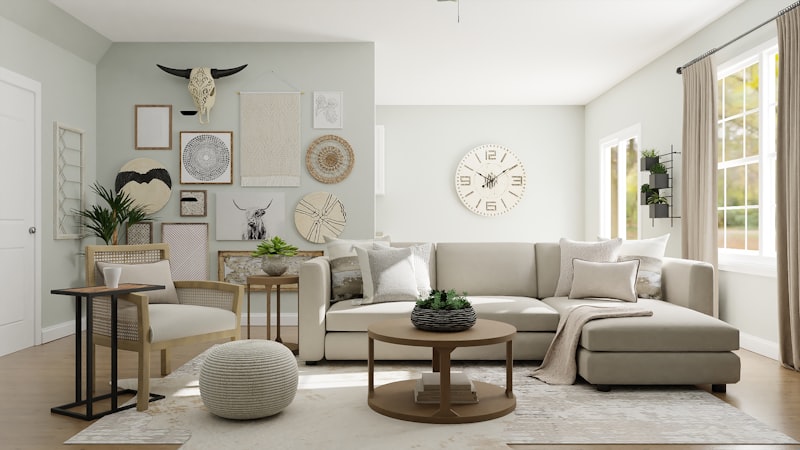
Japandi Interior Design: The Hybrid Style Taking Over Homes
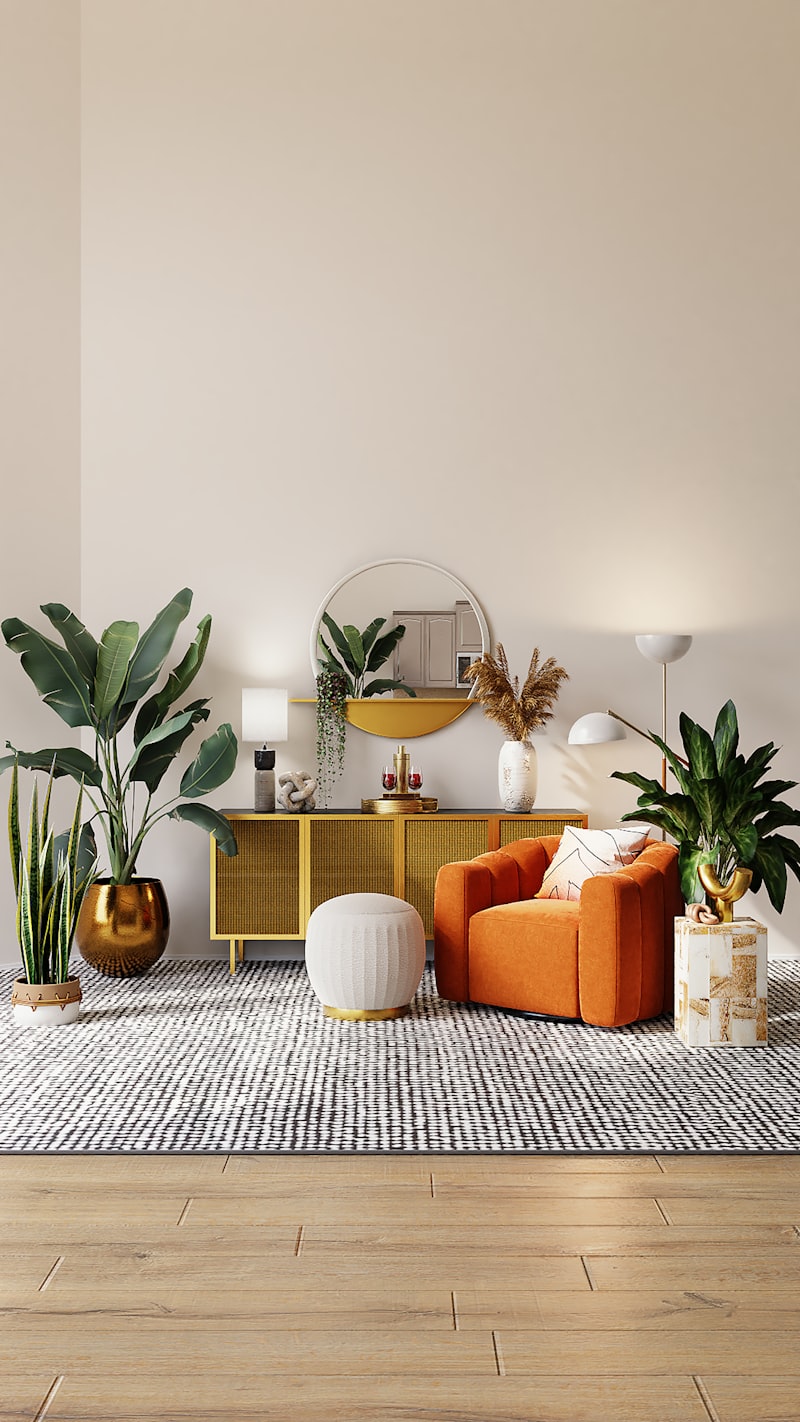
Japandi is not just another Instagram hashtag. It is the most livable design trend of the decade.
The name combines Japanese and Scandinavian design. On paper they seem distant. In practice they share everything that matters: clean lines, natural materials, functionality without clutter.
Why Japandi works
Japanese wabi-sabi embraces imperfection. A hand-thrown ceramic mug with an uneven glaze. Wood that shows its grain. Scandinavian hygge wraps around comfort — soft textiles, warm light, layers that invite you to sit down.
Together they create spaces that feel calm without being cold. Minimalist without feeling sterile.
The five rules
1. Stick to a muted palette. Off-white, warm beige, soft taupe, charcoal. One accent color — olive green or rust — nothing louder.
2. Natural materials only. Wood, stone, linen, bamboo, clay. No plastic. No high-gloss laminates.
3. Low furniture. Floor-level sofas and low dining tables are a Japanese staple. They open up the room vertically.
4. Negative space. Leave 30 % of surfaces empty. A room needs breathing room.
5. One statement piece per room. A ceramic vase. A sculptural floor lamp. A single branch in a narrow vase. Never more.
How RoomFlip helps
You can read all the rules and still struggle to see how Japandi works in *your* living room. That is where RoomFlip comes in.
Upload a photo of your room. Pick Japandi as your style. RoomFlip generates a redesigned version in seconds. You see the muted palette, the low furniture, the natural materials — applied to your actual space. No guesswork.
Try it before you buy a single piece of furniture. Change the layout, swap the wall color, test different wood tones. Then renovate with confidence.
Japandi is not about buying new things. It is about choosing fewer things, better. RoomFlip helps you see that choice before you make it.
Where to start
If you are new to Japandi, start small. Redesign one corner — a reading nook or a window seat. See how the style feels. Most people find they want more once they see the result.
For audio content creators, TubeVoice dubs your design videos into 50+ languages. Perfect if you run an interior design channel and want a global audience.
Japandi is here to stay. It is not a trend — it is a correction against noise. Try it in one room and you will understand.