Small Spaces, Big Transformations: AI Interior Design for Compact Rooms
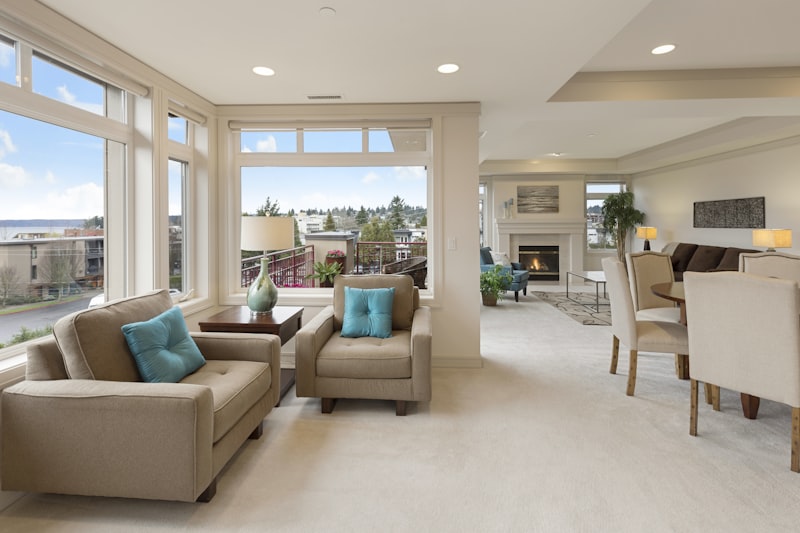
Your apartment is 40 square meters. That doesn't mean it has to look like it.
Small rooms punish bad layout decisions. One oversized couch and the whole space collapses. But get the proportions right, pick the right style, and suddenly a studio feels like a loft.
That's where RoomFlip gets interesting. You upload a photo of your cramped room. The AI generates a redesigned version — same dimensions, new everything else. Furniture placement, color palette, lighting. All optimized for the space you actually have, not the space you wish you had.
Why small rooms need AI more than big ones
Interior designers charge premium rates. For a 20m² bedroom, hiring one feels absurd. But small rooms are actually harder to design well. Every centimeter matters. A 10cm difference in table width changes whether you can walk past it.
RoomFlip handles this constraint-heavy problem fast. Upload your photo, pick a style — Scandinavian, Japanese, industrial — and see results in seconds. No appointments. No mood boards that take three weeks.
The mirror trick, automated
Experienced designers use mirrors, light colors, and vertical storage to make rooms feel bigger. RoomFlip's AI applies these principles automatically. It knows that a dark accent wall in a 15m² room works if the other three walls stay light. It knows floating shelves beat bookcases when floor space is premium.
You don't need to know the rules. The AI knows them.
Real use case: studio apartments
Studio dwellers face a unique problem — one room does everything. Sleep, work, eat, relax. RoomFlip generates layouts that zone the space visually without physical dividers. Color shifts, rug placement, lighting temperature — subtle cues that separate "bedroom" from "office" in 30 square meters.
If you're converting files for your design mood board, FileTools handles the format juggling. And if you're documenting your redesign process on video, TubeVoice can dub it into 50+ languages for international audiences.
Bottom line
Small spaces don't need more stuff. They need better decisions. AI makes those decisions accessible to everyone, not just people who can afford a designer. Upload a photo, get a plan. That simple.