Smart Storage: Hide the Clutter, Keep the Light
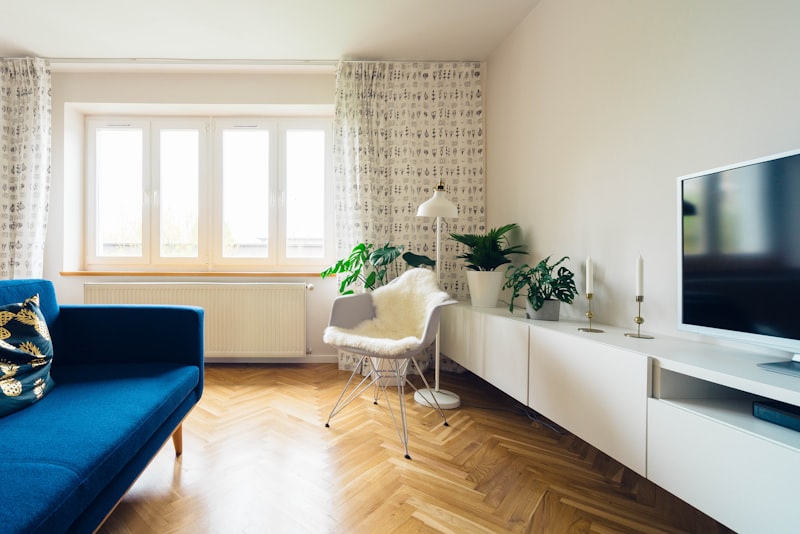
You tidy on Sunday and by Wednesday the place looks exactly like it did before. The problem usually isn't that you own too much. It's that half of it has no assigned home, so it lands on the table, the chair and the floor.
Build up, not out
Floor space is the most expensive surface in your home, and it's exactly where we keep stacking cabinets and boxes. Go vertical instead: a shelf 30 cm below the ceiling, a tall narrow wardrobe instead of a wide dresser, hooks on the inside of cupboard doors. You gain storage without losing a single centimetre of walking space — and the room reads as bigger, because more floor stays visible.
Every object needs an address
This rule beats any container you can buy: if something has no permanent home, it ends up on the nearest horizontal surface. Walk through your place and note what piles up — keys, chargers, post — then give each category one specific drawer, tray or bowl. Five minutes, zero cost, biggest difference on this list.
Hidden storage beats visible storage
Baskets on display still read as clutter, even when they're neat. Under-bed drawers, a storage bench, closed cabinets instead of open shelving — all of it absorbs volume and keeps the room calm. Save open shelves for the five to seven things you actually want on show.
Test it before you drill
Before you buy anything or put a hole in the wall, photograph the room and let RoomFlip generate layout options. You'll see in advance whether that tall wardrobe chokes the room — and skip the purchase that ends up resold.
And if you film your makeovers, TubeVoice dubs them into dozens of languages, so viewers anywhere can follow along.
Pick one category that keeps piling up. Give it an address and run it for a week — the difference shows faster than you'd expect.