Wabi-Sabi Interiors: Why Imperfection Is the New Luxury
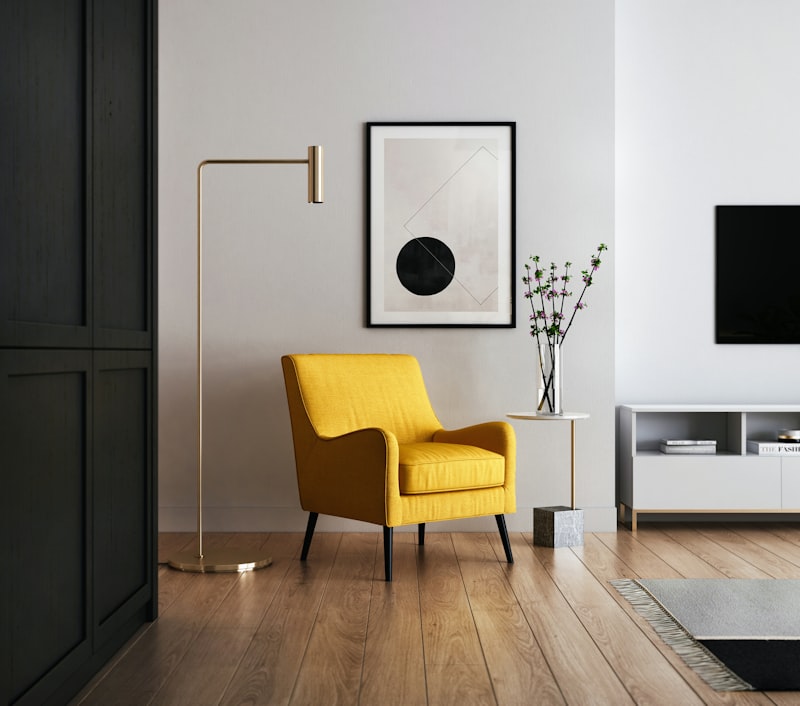
Beauty that doesn't need to be perfect
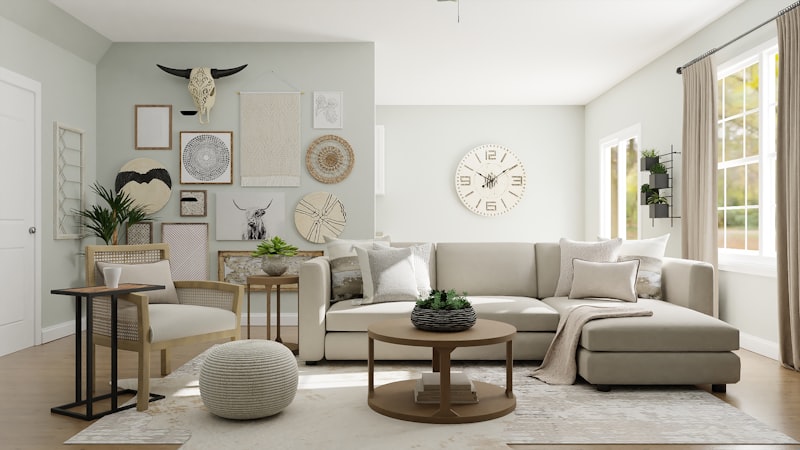
Wabi-sabi is the Japanese philosophy of finding beauty in imperfection and impermanence. In interiors, that means ceramics with uneven glaze, wood with visible cracks, linen instead of satin. Not a showroom — a home that actually lives.
Where minimalism can feel sterile, wabi-sabi feels warm. That's exactly why it's climbing every interior-style search ranking right now.
Wabi-sabi in three steps
Natural materials. Wood, stone, clay, linen, wool. The more texture and traces of time you can see, the better. Glossy lacquer doesn't belong here.
Muted earth tones. Sand, greige, moss green, terracotta. No loud accents — the goal is calm, not contrast.
Fewer objects, more story. One handmade vase from your grandmother says more than a shelf full of chain-store decor. Here, imperfection is the point, not a flaw.
Test-drive the style with AI
The hardest part of changing styles is imagination: what will my living room actually look like in clay tones? That's exactly what RoomFlip solves — snap a photo of the room, pick the wabi-sabi style, and the AI shows you a realistic visualization in seconds. No painting, no furniture moving.
You can even compare wabi-sabi against japandi or Scandinavian style and decide with confidence.
Wrap-up
Wabi-sabi isn't about shopping — it's about letting things be natural. Start with one room: natural textiles, earth tones, fewer decorations. And before you spend a single euro, let RoomFlip show you how it will look.