DIY Channels Are a Dubbing Goldmine
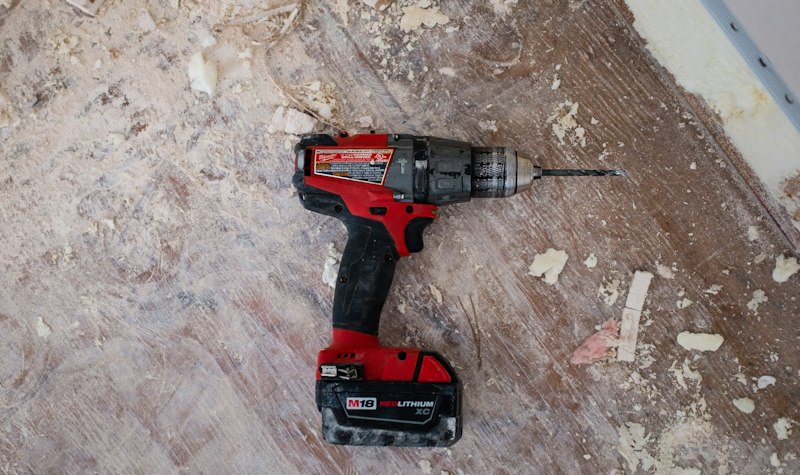
DIY videos are the easiest thing on YouTube to dub. Half the runtime is a drill, a saw and a sheet of plywood. The camera follows the hands, not the mouth. A viewer in Warsaw makes the same move as one in Lisbon.
Why craft and DIY travel well
Most clips run 8–15 minutes and carry a few hundred words of instruction: measure, cut, screw, sand. No monologue into the camera, no jokes that fall apart in translation. Search, on the other hand, is brutally local — "how to fix a leaky tap" gets typed in Polish, Czech, German and Spanish, and the competition in those languages is a fraction of the English one. One video, seven markets.
What breaks
Measurements and tool names. Don't convert inches to centimetres line by line if the market doesn't use them — the narration turns clunky. Keep tool brands in the original. And cut the filler: German and Spanish run longer than English, so a 30-second intro eats into the first cut. Trim before you dub, not after.
Launch in a weekend
Take your 10 best-performing videos. Run them through TubeVoice — it clones your voice and drops in tracks for the new languages with lip sync included. Check the numbers and tool names, fix a couple of sentences, publish as multi-language audio right on YouTube. One video, seven audiences.
Two things pair with this. If you shoot room makeovers, RoomFlip turns a single photo of the space into a redesigned mockup you can open the video with — a free hook before you pick up a single tool. And run your thumbnails through FileTools to compress and convert them so they stay under YouTube's 2 MB limit without going soft.