Cooking Videos Speak Every Language — Does Yours?
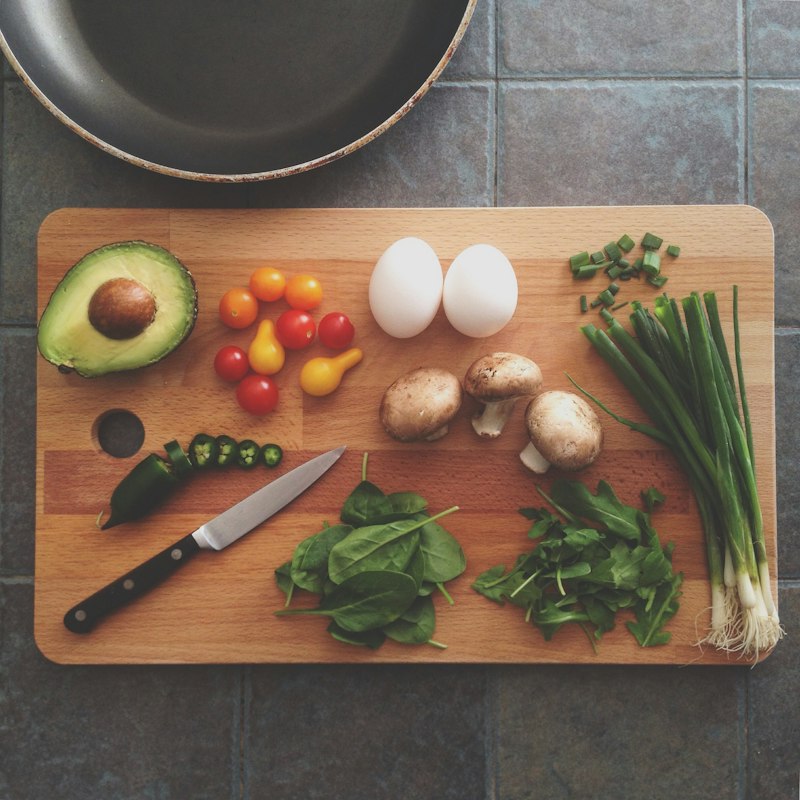
Recipe videos are the second most-watched category on YouTube after music. Everyone eats, and a shot of butter hitting a hot pan reads the same in Ohio as it does in Osaka. So why do most food channels never leave their home market? It isn't the food. It's the narration.
Subtitles fail in the kitchen
Nobody watches a recipe sitting still. Their hands are in dough, something is sizzling, and the phone is propped against a canister two feet away. If the only way to follow along is reading text, they bounce. That's why dubbed cooking videos consistently hold viewers longer than subtitled ones — you can listen while you cook, you can't read while you cook.
One shoot, seven markets
AI dubbing now carries your actual voice, pacing and inflection into another language. TubeVoice dubs a finished video into 50+ languages, so one afternoon in the kitchen becomes a German, Spanish and Polish version too. No reshoot, no relighting, no hiring voice actors.
Start with what already works. Open YouTube Studio, pull your three best-performing recipes from the last year, and dub those first. You're not gambling on new content — you're taking proven content to a bigger pond.
The revenue math
Food CPMs in Germany or the US run several times higher than in smaller markets. A dubbed upload often out-earns two brand-new videos, and it's already shot and edited. Add the novelty factor: a regional dish that's ordinary at home is genuinely interesting abroad.
Pick one archive hit, dub it into two languages, and give it a month. The analytics will tell you whether to keep going. They usually do.