Feng Shui in Interior Design: Arrange Your Space for Better Energy
Feng Shui has a bad reputation. People hear "feng shui" and think superstition, weird compass readings, and bagua maps taped to the floor.
But here is the thing: Feng Shui is fundamentally about how space affects your psychology. And that is very real.
I have redesigned dozens of rooms using RoomFlip and applied Feng Shui principles along the way. Some worked. Some did not. Here is what actually matters.
The Commanding Position
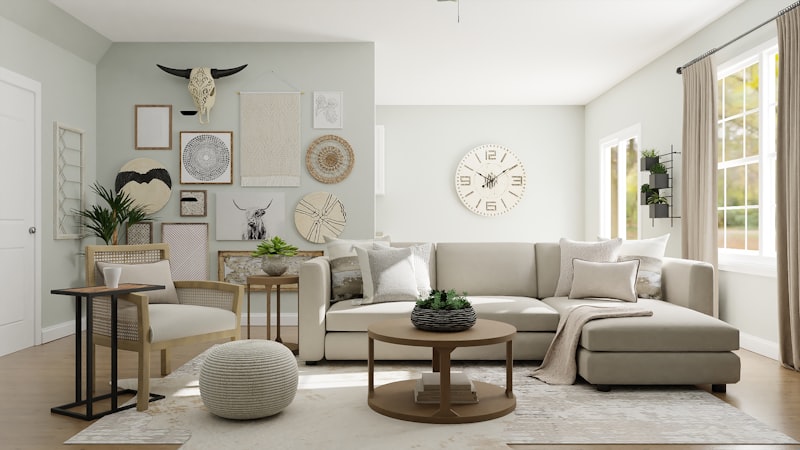
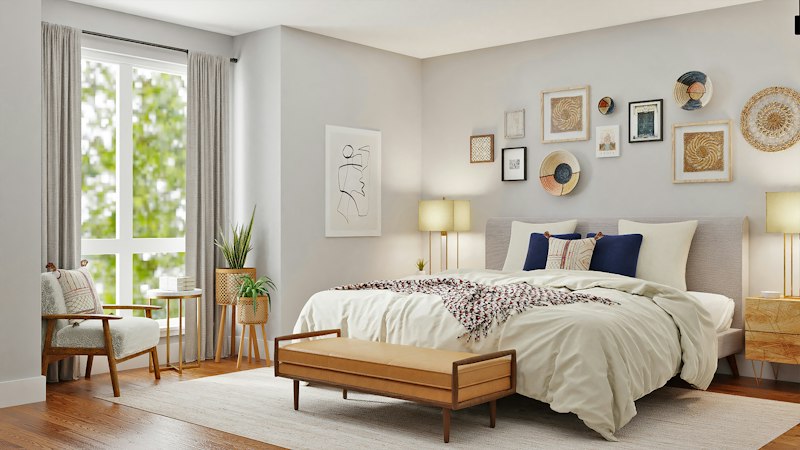
This is the one Feng Shui principle I swear by. Your bed, desk, or sofa should face the door — but not be directly in line with it.
Why? Because humans feel vulnerable when someone can approach from behind. That is not mysticism. That is evolutionary biology.
Try it: move your desk so you can see the entry. You will feel calmer within a day.
RoomFlip makes this easy. Upload a photo of your current layout, and the AI can generate alternatives that respect commanding position principles.
Clutter Is Not Just Mess
Feng Shui calls stagnant energy "sha chi." I call it "that pile of mail you have ignored for three weeks."
The principle is simple: clutter creates mental friction. Every visible pile, every overflowing drawer, every corner stuffed with junk quietly drains your attention.
Clear surfaces = clear mind. No compass needed.
The Five Elements
Feng Shui works with five elements: Wood, Fire, Earth, Metal, and Water. Each has a color, shape, and material.
You do not need to memorize them. Just notice when a room feels flat. It is probably missing one element.
- Too much Fire (red, angular shapes) → feels aggressive
- Too much Water (black, curvy, mirrors) → feels cold
- Balanced mix → feels right
Use RoomFlip AI redesign to generate rooms that balance these elements. Upload a photo, pick "Feng Shui" as your style preference, and see what the AI suggests.
Bagua: The Energy Map
This is the most misunderstood part. The Bagua is a grid overlay for your floor plan. Each section corresponds to a life area: career, relationships, wealth, health, etc.
The skeptic in me wanted to dismiss this. But here is what I found: when I started applying Bagua-based adjustments, the changes were subtle but noticeable. A plant in the wealth corner. Blue in the career area.
The real mechanism? Intentionality. You focus attention on an area of your life, and the physical arrangement reinforces that intention.
What Actually Works
After testing for months, here are the Feng Shui changes that produced real results:
1. Commanding position for bed and desk — immediately noticeable
2. Declutter entryways — the first thing you see sets your mood
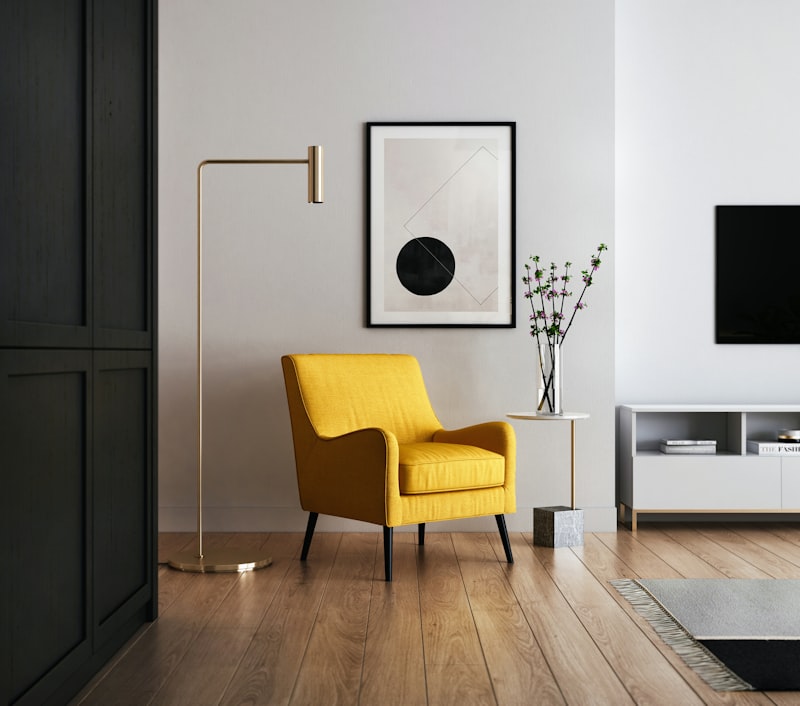
3. Add living plants — Wood element, plus actual air quality benefits
4. Fix broken things — Feng Shui says broken items trap energy. I say they remind you of unfinished tasks
5. Balance light sources — too harsh = yang, too dim = yin
Technology Makes It Practical
The barrier to applying Feng Shui used to be complexity. Compass readings, endless rules, conflicting advice.
Modern tools like RoomFlip let you visualize Feng Shui adjustments before you move furniture. Upload your room, describe what feels off, and the AI generates balanced alternatives. No compass required.
The bottom line: Feng Shui is a design system refined over thousands of years. Most of it maps directly to cognitive science about how spaces affect human behavior. Use what works. Skip what does not. And always, always declutter your entryway first.